
by DNSFilter Team on Aug 26, 2025, 3:15:00 PM
If you're comparing Cloudflare and Fortinet for your security needs, you're probably making a major category error. It's like comparing a cloud-based content delivery network with DDoS protection to an enterprise firewall appliance. They're both security solutions, sure, but they solve vastly different problems at different layers of your infrastructure.
Here's what most comparisons miss: while Cloudflare and Fortinet grab headlines with their comprehensive platforms and enterprise features, many organizations need best-of-breed DNS-layer security that actually catches threats before they reach the network, not another bundled solution that does everything adequately but nothing exceptionally well.
The real questions advanced security buyers should be asking are:
- Do you need a full security platform or would a specialized DNS security solution with superior threat detection meet your requirements?
- Are you looking to protect web applications, secure your network perimeter, or filter malicious domains before connections are established?
- Is your current DNS filtering solution catching threats fast enough, or are you learning about compromised domains days after the damage is done?
- Would you rather manage complex security infrastructure or deploy protection that works in minutes?
- Does your organization prioritize best-of-breed solutions or bundled offerings with vendor lock-in?
In short, here's what we recommend:
👉 Cloudflare is ideal for organizations needing web application protection, CDN services, and DDoS mitigation. With its massive global network spanning 330+ cities and generous free tier, it excels at protecting and accelerating websites and applications.
While Cloudflare offers impressive breadth including DNS services, Workers edge computing, and Zero Trust solutions, the platform's focus on web infrastructure means it may not address all your network security needs, and enterprise features require significant investment.
👉 Fortinet delivers enterprise-grade network security through its FortiGate next-generation firewalls and comprehensive Security Fabric. With custom ASICs for hardware acceleration and deep security inspection capabilities, it's built for organizations requiring robust perimeter defense and integrated security across their infrastructure.
However, Fortinet's power comes with complexity, requiring significant expertise to deploy and manage, plus substantial upfront hardware investments that many mid-market organizations find overwhelming.
Both platforms are undeniably powerful, offering extensive security capabilities for their respective domains. But here's the reality: 80-90% of organizations already have some form of DNS filtering deployed. The question isn't whether you need it. It's whether your current solution is catching threats fast enough.
👉 DNSFilter specializes in DNS-layer security with AI-powered threat detection that identifies malicious domains 10 days sooner than traditional solutions; the primary differentiator in an otherwise commoditized market.
Operating the world's fastest DNS network with deployment in minutes and intuitive management, it's the best-of-breed choice for organizations between 1,000-5,000 employees who want superior threat detection without the complexity of enterprise platforms. While DNSFilter doesn't offer the breadth of Cloudflare or Fortinet, its laser focus on DNS filtering means you get unmatched protection at the most critical security layer.
Table of contents:
- Cloudflare vs Fortinet vs DNSFilter at a glance
- The fundamental disconnect: Web security vs Network security vs DNS security
- Cloudflare dominates web protection with DNS as part of a larger suite
- Fortinet owns the network edge but requires serious investment
- DNSFilter delivers specialized DNS security for advanced buyers
- Deployment complexity reveals each platform's true nature
- Threat detection capabilities: Where speed matters most
- Investment structures reflect different philosophies
- Support and ease of management for security teams
- Cloudflare vs Fortinet vs DNSFilter: Which should you choose?
Cloudflare vs Fortinet vs DNSFilter at a glance
|
|
Cloudflare |
Fortinet |
DNSFilter |
|---|---|---|---|
|
Primary Function |
Web security & CDN |
Network security/NGFW |
Best-of-breed DNS security |
|
Deployment Model |
Cloud-native |
Hardware/Virtual appliances |
Cloud-native |
|
Time to Deploy |
⭐⭐⭐⭐ Minutes to hours |
⭐⭐⭐ Days to months (varies) |
⭐⭐⭐⭐⭐ Minutes |
|
Ease of Management |
⭐⭐⭐⭐ User-friendly for basics |
⭐⭐⭐ Complex, requires expertise |
⭐⭐⭐⭐⭐ Advanced simplicity |
|
Core Strength |
⭐⭐⭐⭐⭐ Global network & performance |
⭐⭐⭐⭐⭐ Comprehensive security |
⭐⭐⭐⭐⭐ 10 days faster threat detection |
|
Network Performance |
⭐⭐⭐⭐⭐ Excellent for web |
⭐⭐⭐⭐ Hardware-dependent |
⭐⭐⭐⭐⭐ World's fastest DNS network |
|
MSP-Friendly |
⭐⭐⭐ Partner programs available |
⭐⭐⭐ Requires expertise |
⭐⭐⭐⭐⭐ Built for MSP expansion |
|
Starting Price |
Free (limited), Pro at $25/month |
Around $700 for entry hardware |
From $240/year minimum |
|
Target Market |
Web properties & enterprises |
Medium to large enterprises |
1,000-5,000 employee companies |
The fundamental disconnect: Web security vs Network security vs DNS security
The comparison between these three platforms often fails because they operate at different layers of the security stack, solving different problems for different audiences.
Cloudflare operates primarily at Layer 7, the application layer, where it excels at protecting web applications and content.
However, the platform also offers Layer 3-4 services like Magic Transit and Magic Firewall for network-level protection. Its CDN accelerates website performance while its WAF blocks application-level attacks. When you think Cloudflare, think web protection and performance optimization with expanding network capabilities.
Fortinet operates across Layers 3-7 but focuses heavily on the network layer with its FortiGate firewalls.
It's about securing the perimeter, inspecting traffic flows, and providing comprehensive network defense. This is traditional network security evolved for the modern era.
DNSFilter works at the DNS layer, which technically operates at Layer 7 but functions as a basic networking service.
By filtering and analyzing DNS requests in real-time using proprietary algorithms, it stops threats before connections are established. The key advantage? Catching malicious domains an average of 10 days before they appear on traditional blocklists, making it critical when entities launch thousands of new dangerous sites daily.
For organizations already using DNS filtering (and 80-90% are), the question becomes: is your current solution fast enough to catch today's rapidly evolving threats?
Cloudflare dominates web protection with DNS as part of a larger suite
Cloudflare's strength lies in its broad global network and its focus on web-centric security and performance.
With data centers in over 330 cities, it provides substantial DDoS protection capacity while accelerating content delivery worldwide.
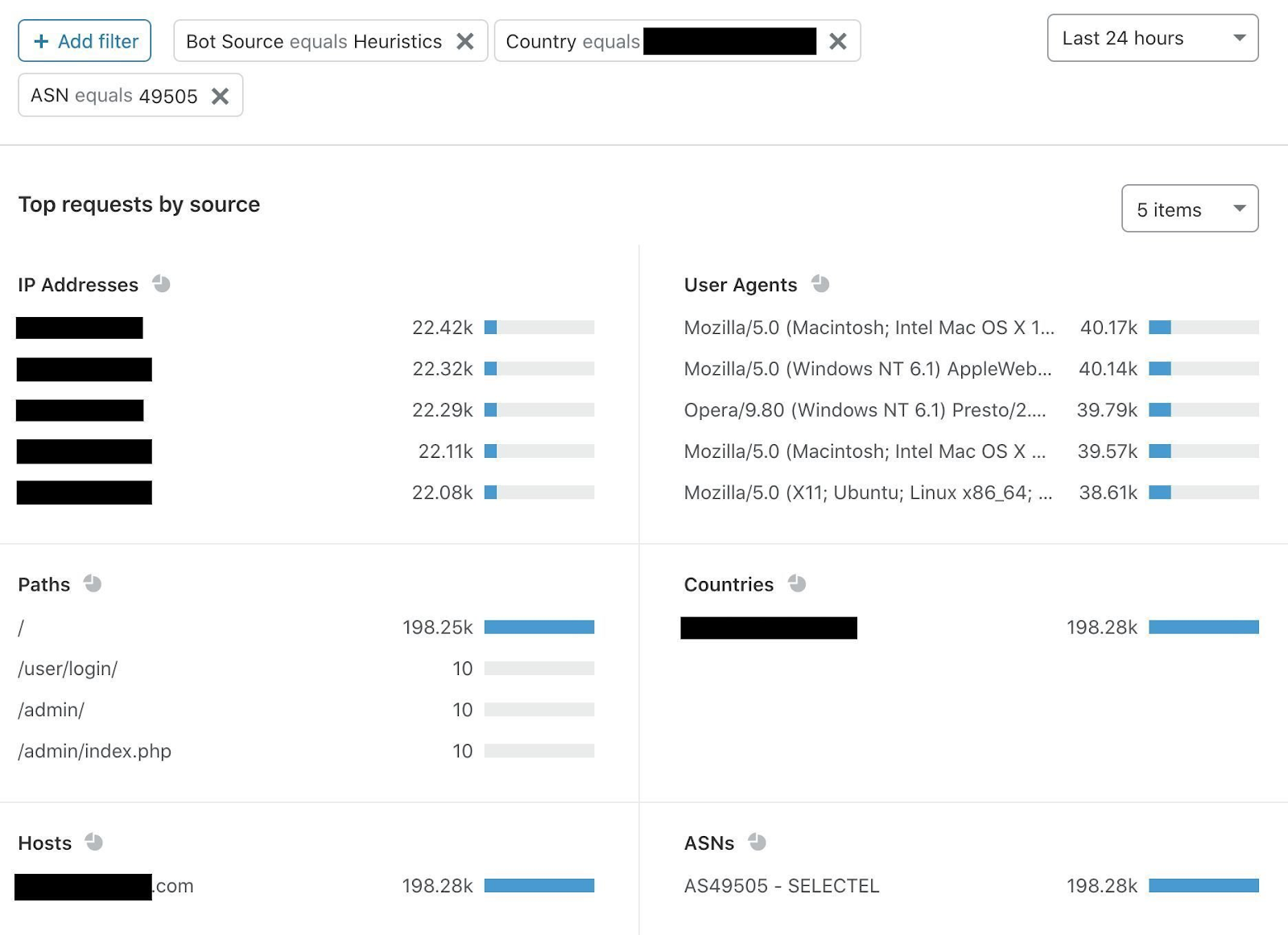
The platform's security capabilities are impressive for web applications. Its WAF protects against OWASP Top 10 threats, while Bot Management identifies and mitigates automated attacks. The Magic Transit service extends DDoS protection to entire IP subnets.
Source: Cloudflare
For DNS security specifically, Cloudflare offers multiple options. The popular 1.1.1.1 resolver provides basic malware and adult content filtering through 1.1.1.1 for Families. More importantly, Cloudflare Gateway (part of their Zero Trust suite) offers comprehensive DNS filtering with granular policy controls, user and group-specific policies, content category blocking, and detailed analytics.
However, there's a catch: Gateway's advanced DNS security features are part of Cloudflare's broader Zero Trust platform, which means additional complexity. You're not just buying DNS filtering; you're buying into an entire ecosystem. For organizations seeking best-of-breed DNS security, navigating Cloudflare's extensive platform to access these features involves unnecessary overhead.
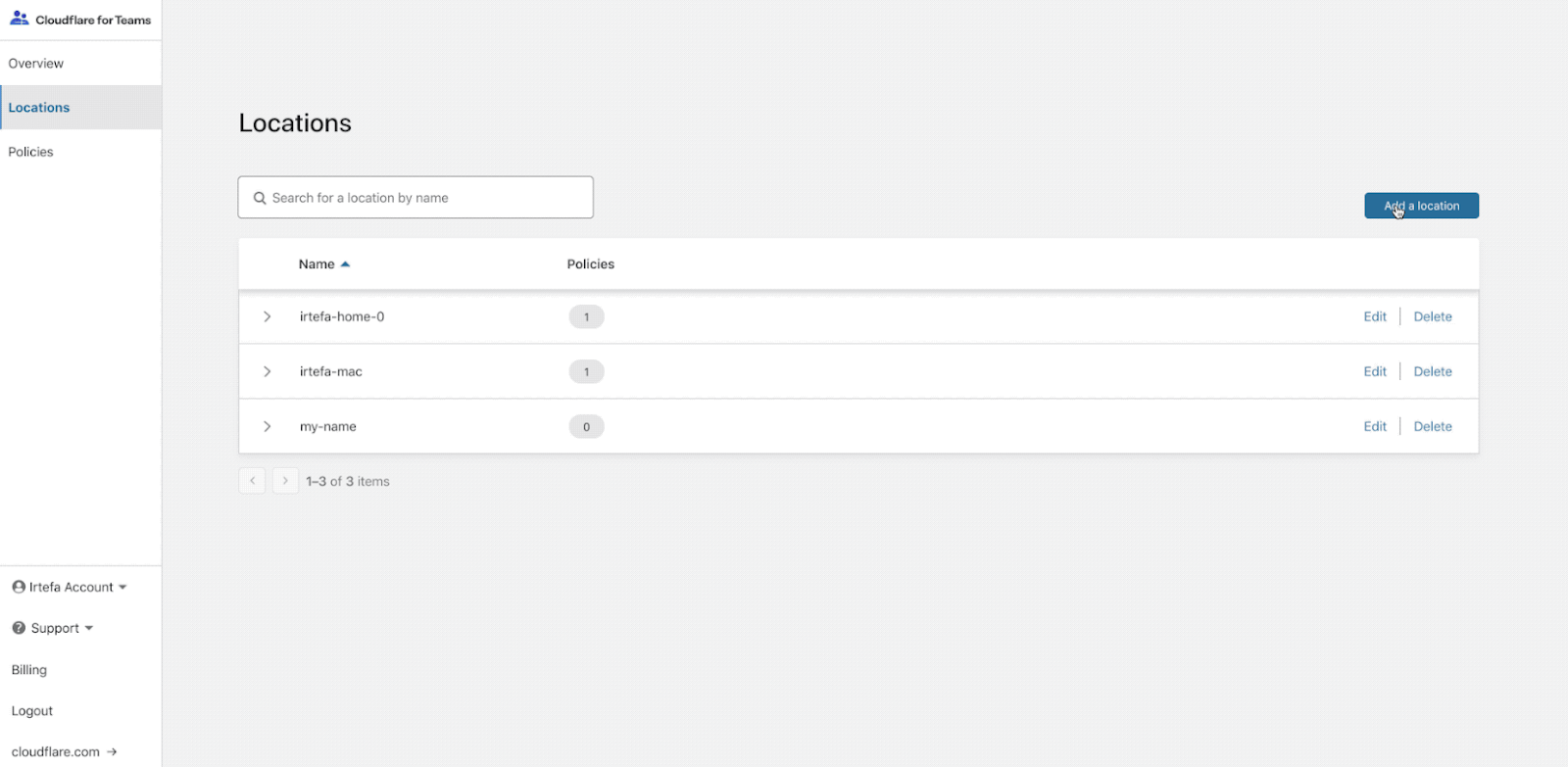
Source: Cloudflare
The bundled approach reflects their philosophy. While basic DNS resolution is free, accessing a broad range of DNS security features requires stepping up to their Zero Trust plans, where you're paying for capabilities you may not need.
Fortinet owns the network edge but requires serious investment
Fortinet's FortiGate firewalls are engineering marvels.
With custom ASICs providing hardware acceleration, they can perform broad packet inspection at very high speeds, though actual throughput depends on the model and enabled features. The Security Fabric integrates multiple security functions into a cohesive platform.
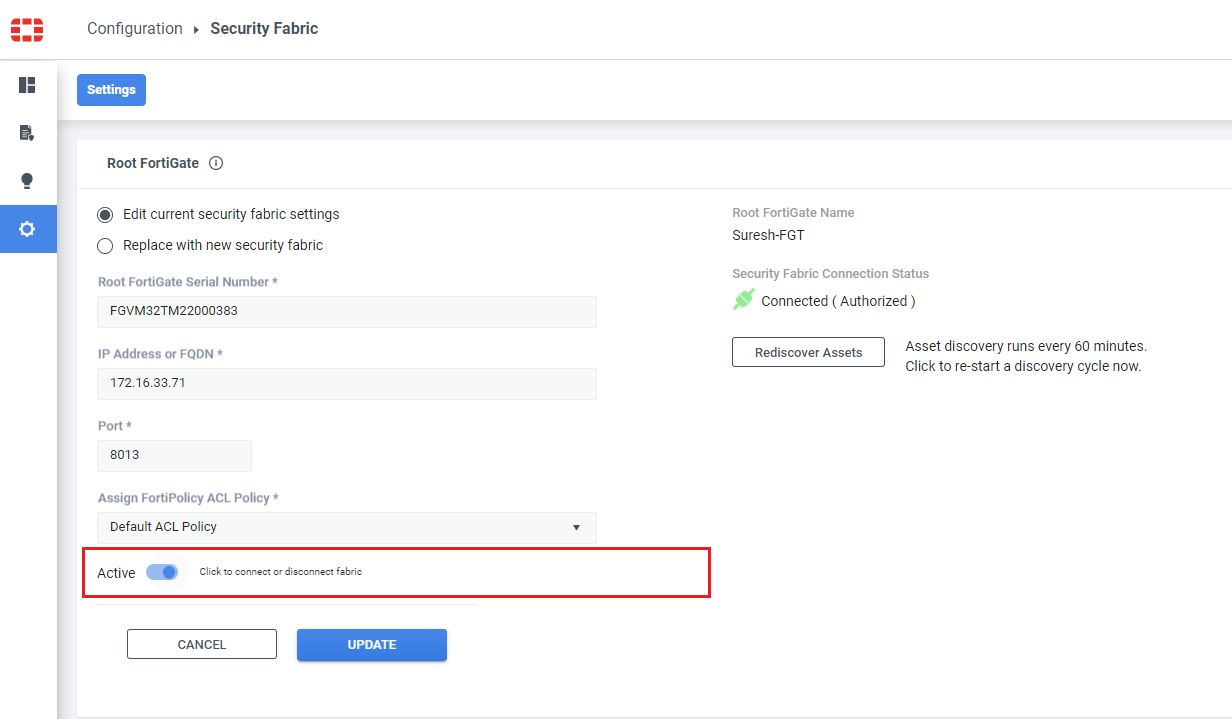
Source: Fortinet
The comprehensiveness is both a strength and a weakness. FortiGate appliances include firewall, VPN, IPS, antivirus, web filtering, application control, and SD-WAN capabilities. For large enterprises with dedicated security teams, this integrated approach simplifies vendor management and provides consistent security policies.
But this power comes at a cost beyond just budget (though FortiGate hardware starts around $700 for entry-level models and quickly escalates to tens of thousands for enterprise versions). The real investment is expertise and time.
Deploying FortiGate requires planning, expertise, and ongoing management. You need to understand network architecture, security policies, and often command-line configuration. Some users report issues with firmware updates and recommend waiting for maintenance releases before upgrading.
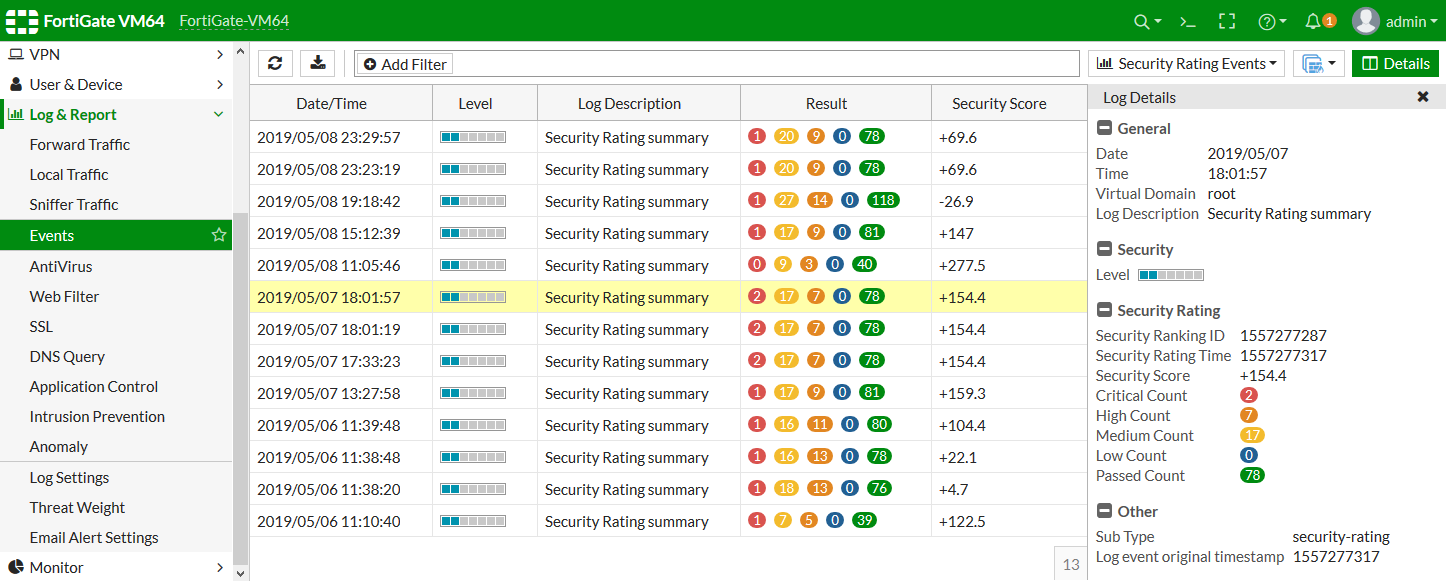
Source: Fortinet
For DNS filtering specifically, Fortinet offers FortiGuard DNS Security service, which uses machine learning and threat intelligence to block malicious domains. While capable, it's just one feature among dozens in the FortiGate platform. You're buying a comprehensive security platform where DNS filtering is bundled but not the primary focus, and not necessarily the fastest at threat detection.
DNSFilter delivers specialized DNS security for advanced buyers
This is where specialization beats generalization.
DNSFilter focuses exclusively on being the best DNS security solution, powered by AI that finds threats 10 days sooner than competitors; their primary differentiator in a market where most solutions look the same.
The platform analyzes 200 billion daily DNS queries using proprietary algorithms to identify malicious sites before they appear on traditional blocklists. During testing, the Malicious Domain Protection feature identified over 7,000 risky domains not yet flagged by other feeds. When thousands of new malicious sites launch daily, this speed advantage is critical for organizations serious about security.
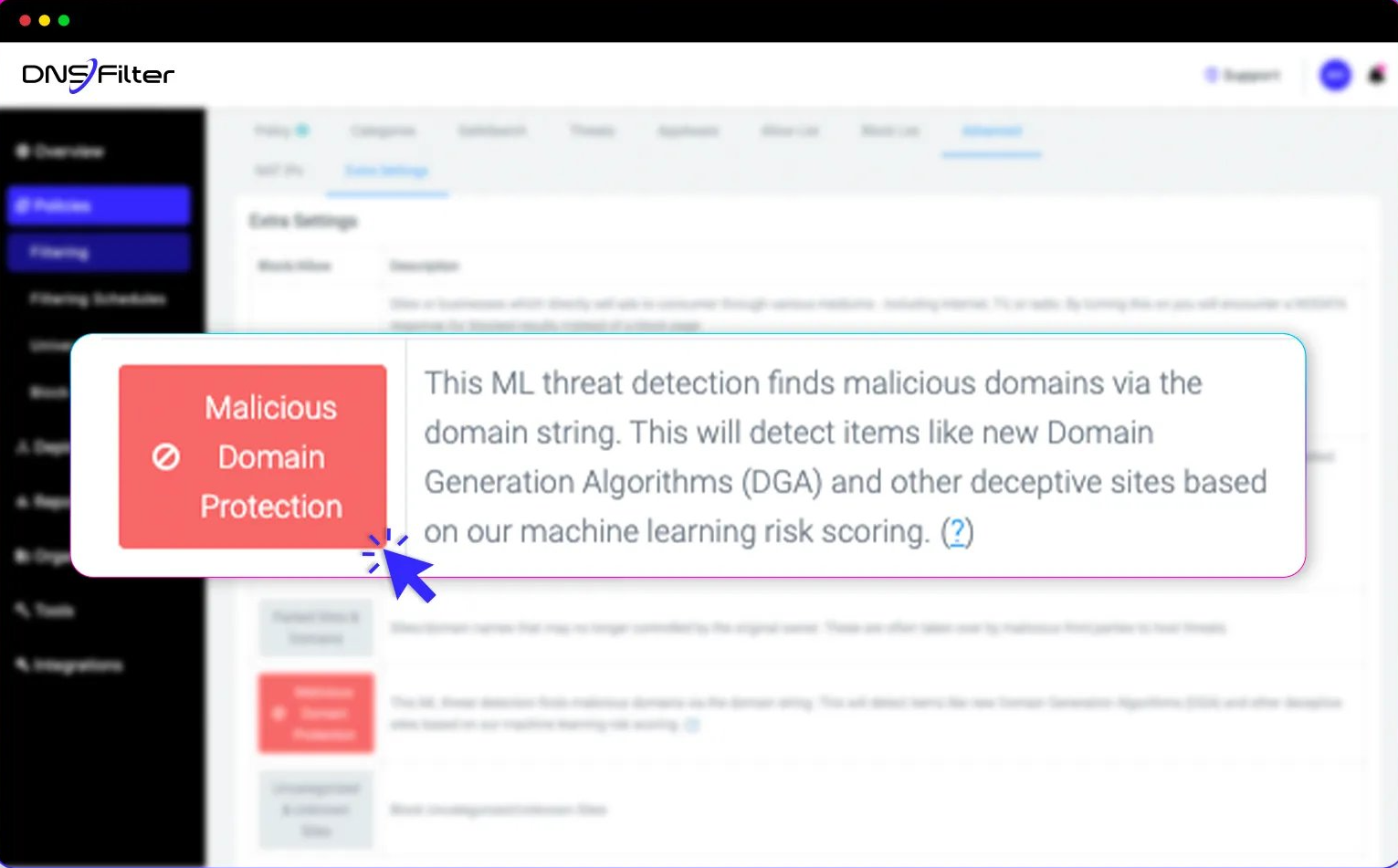
Source: DNSFilter
Deployment level doesn't mean complexity.
Change your DNS settings to point to DNSFilter's servers (the world's fastest DNS network), create a policy, and you're protected. No hardware to install, no complex configurations to manage, no weeks of professional services. Most organizations are operational in minutes, with the platform handling both on-network and roaming users seamlessly through minimalist clients.
The platform offers 80 content categories for filtering, granular per-user policies, and detailed reporting that actually helps security teams understand DNS traffic patterns. The AppAware feature blocks entire applications like Discord or TeamViewer with a single click, automatically managing all associated domains.
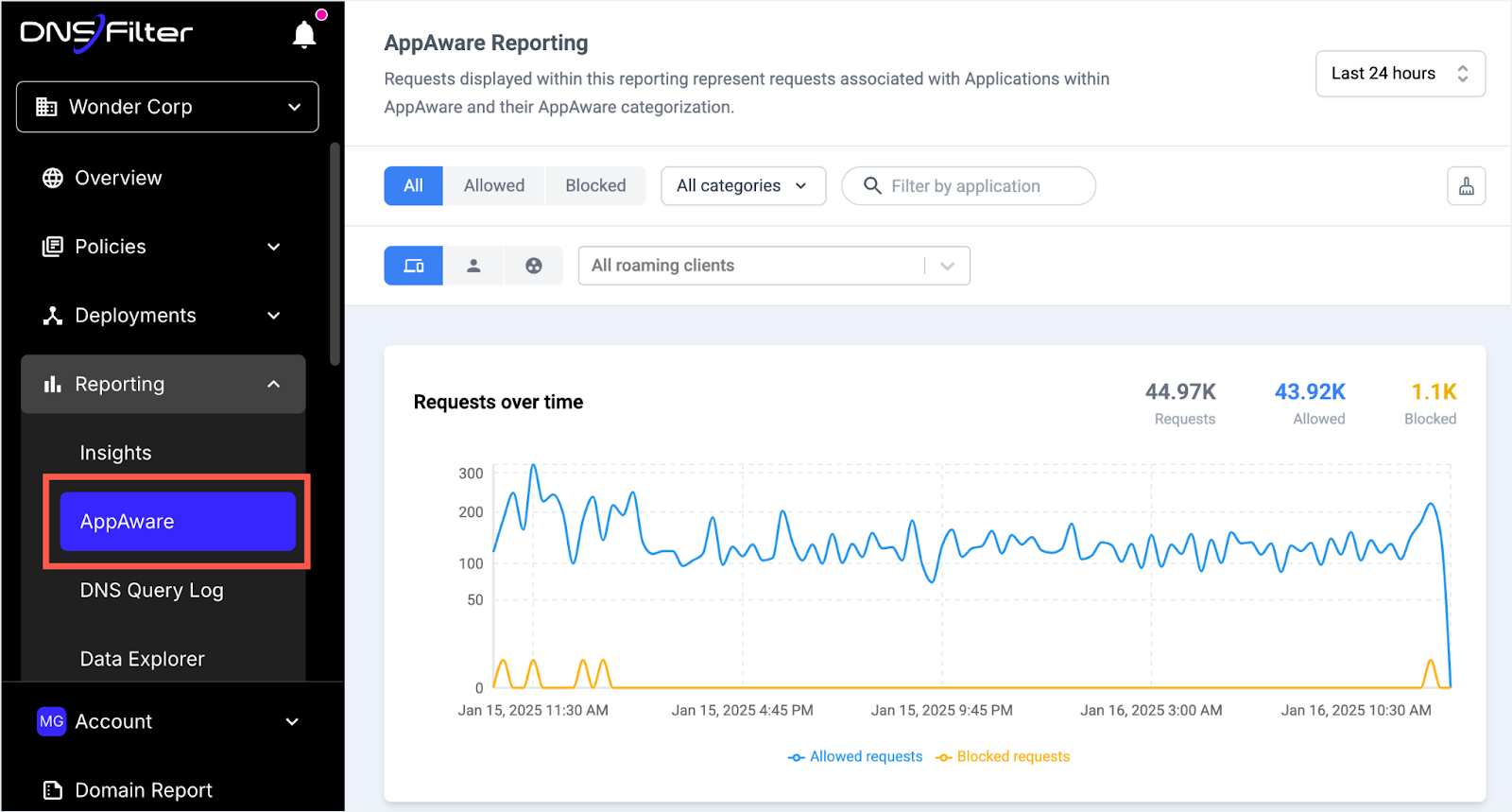
Source: DNSFilter
For MSPs, DNSFilter provides unique expansion opportunities.
Multi-tenancy, branding, and integrations with major PSA platforms enable efficient client management. Almost half of DNSFilter's traffic comes from companies with 100 employees and below, often small MSPs who start small and expand by adding clients with zero friction. Founded by Ken Carnesi, a former MSP, the platform understands channel requirements.
For organizations between 1,000-5,000 employees - the sweet spot where enterprises need advanced security but don't have Cisco enterprise agreements - DNSFilter offers the ideal alternative to bundled solutions like Cisco Umbrella.
Deployment complexity reveals each platform's true nature
The deployment process for each platform tells you everything about who they're really designed for.
Cloudflare's deployment varies by service.
Basic CDN and DNS can be set up in minutes to hours by changing nameservers. But implementing their full security stack, including Workers, Access, and Magic Transit, requires significant planning, identity provider configuration, and potentially code development. It's accessible for basic features but quickly becomes complex for advanced capabilities.
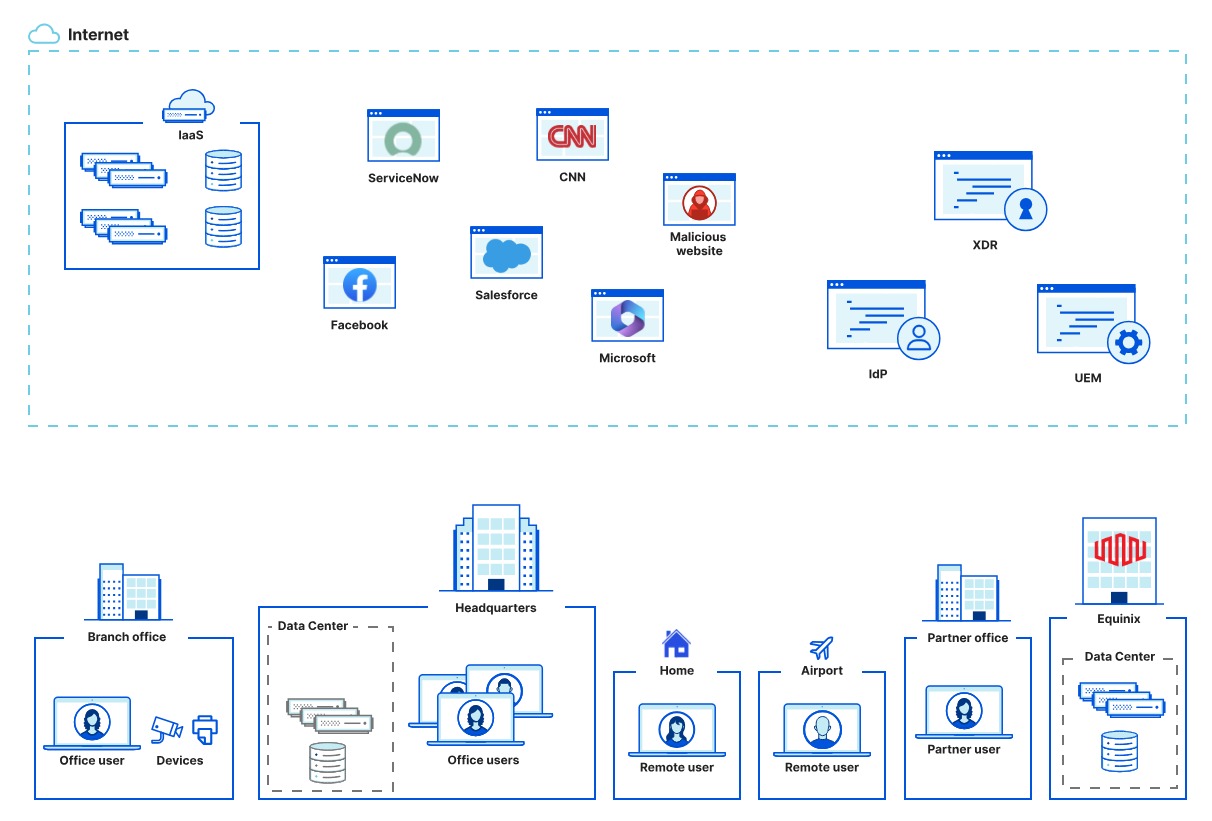
Source: Cloudflare
Fortinet's deployment complexity varies significantly by organization size and requirements.
Small businesses might have a basic FortiGate operational in days, while enterprise deployments with full Security Fabric integration can take months. You need to plan network topology, configure interfaces, create security policies, set up VPN tunnels, and integrate with existing infrastructure. Many organizations hire consultants or rely on Fortinet's professional services.
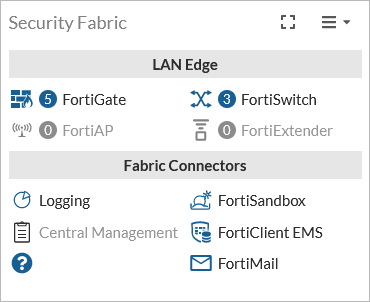
Source: Fortinet
DNSFilter's deployment represents advanced engineering that appears simple.
Network-wide protection requires changing DNS forwarders on your router or firewall. Individual devices get lightweight roaming clients that maintain protection anywhere. Policies are created through an intuitive interface that makes complex configurations manageable. MSPs report having entire networks protected in less than five minutes.
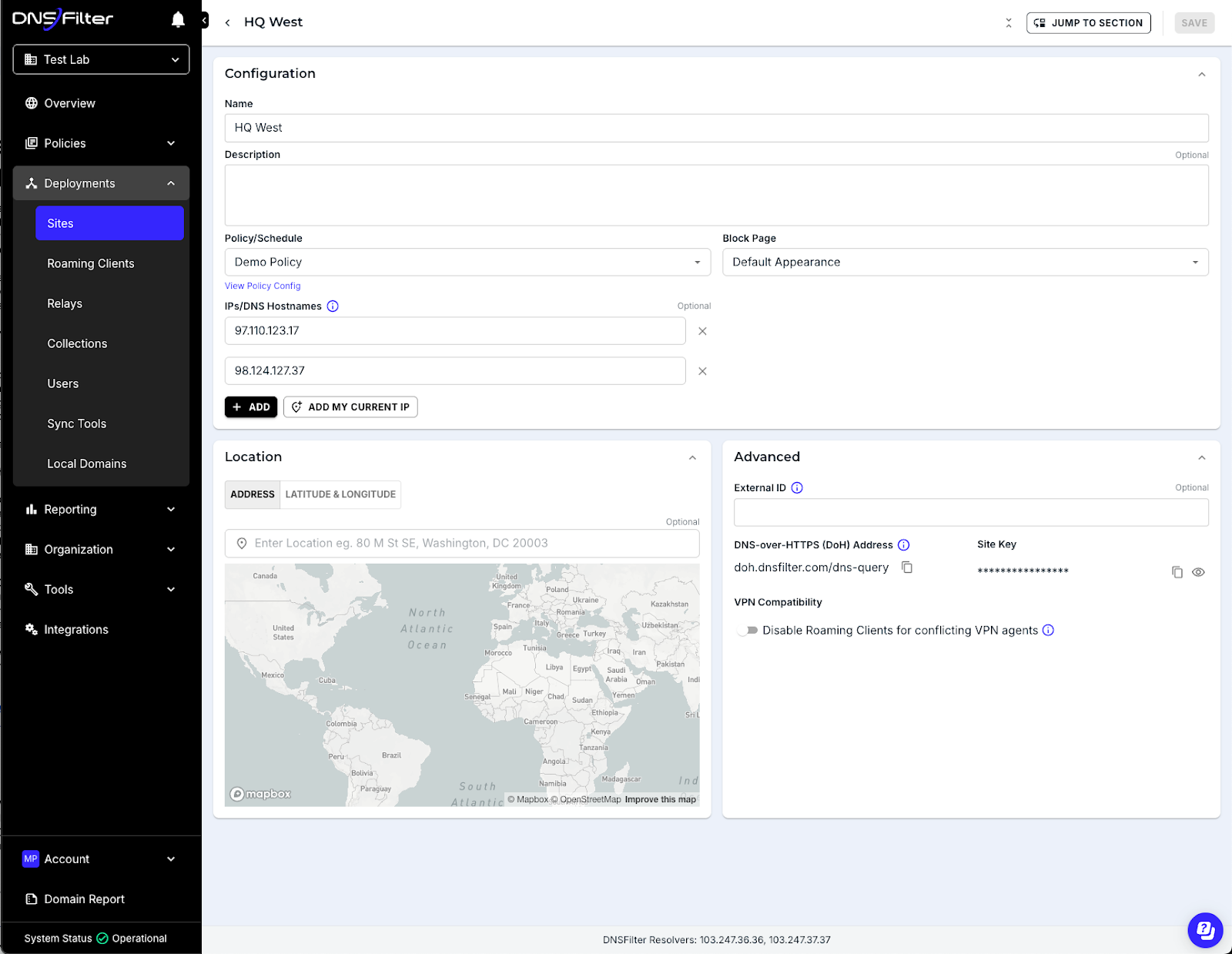
Source: DNSFilter
The contrast is clear. Where Cloudflare and Fortinet assume you have IT resources to dedicate to deployment and management, DNSFilter assumes you want best-in-class protection that just works. This is particularly important for organizations switching from solutions like Cisco Umbrella, where ease of policy configuration and roaming client management become key differentiators.
Threat detection capabilities: Where speed matters most
All three platforms employ AI and machine learning for threat detection, but their implementation and effectiveness vary significantly.
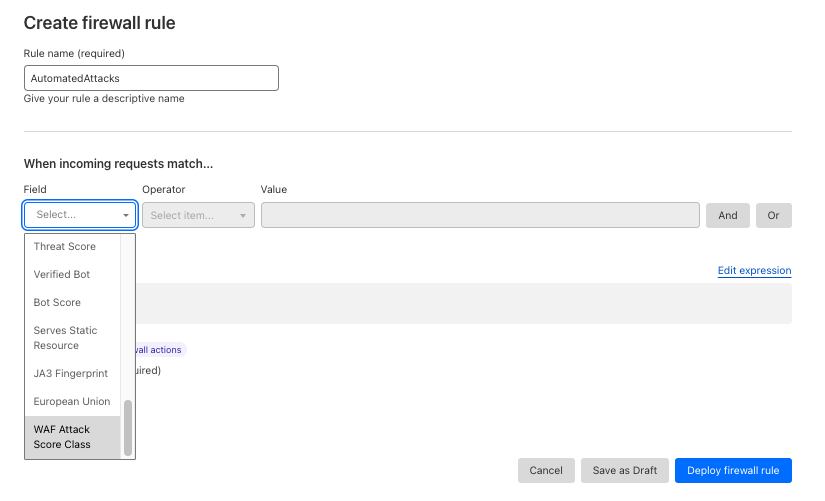
Cloudflare uses machine learning primarily for bot detection and WAF optimization.
Source: Cloudflare
Their threat intelligence leverages data from their massive network to identify web-based threats. For DNS security, Cloudflare Gateway combines traditional blocklists with ML-based detection for threats like DNS tunneling and anomalous queries.
Fortinet's FortiGuard Labs provides comprehensive threat intelligence across multiple vectors.
Their AI focuses on identifying patterns in network traffic and correlating events across the Security Fabric. Their FortiGuard DNS Security service uses machine learning and domain reputation analysis to block malicious DNS activity as part of their broader platform.
DNSFilter's entire strategy centers on being fastest to detect threats, 10 days sooner on average than competitors.
Their proprietary algorithms trained on 200 billion daily DNS queries identify malicious patterns in newly registered domains before reputation is established. According to vendor data, the platform identifies 61% more threats than competitors. This isn't about having more features; it's about being best at the one thing that matters most.
The platform maintains less than 1% false positives for deceptive domain classification in testing with Scamadviser. This accuracy comes from specialized focus on DNS patterns and behaviors rather than trying to be everything to everyone.
In a landscape where bad actors launch thousands of new malicious sites daily, the difference between catching a threat today versus 10 days from now can determine whether you're preventing an incident or responding to a breach.
Investment structures reflect different philosophies
The pricing models of these platforms reveal their target markets and value propositions.
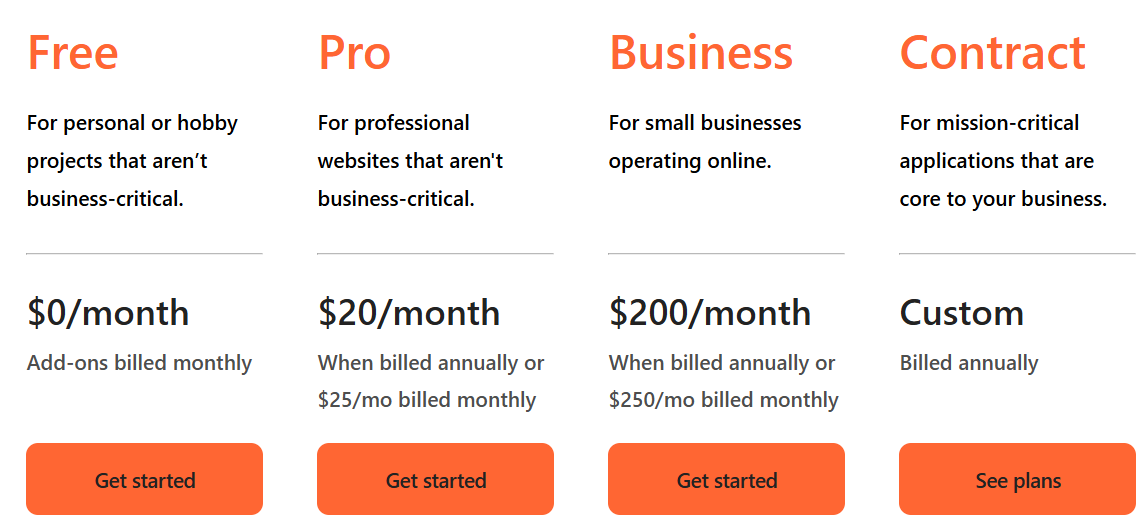
Cloudflare's freemium model hooks users with generous free features, then escalates quickly for advanced capabilities.
Source: Cloudflare
The free plan includes basic CDN and DDoS protection. Pro at $20/month adds WAF and image optimization. Business at $200/month includes enhanced DDoS protection and custom certificates. Enterprise is custom priced. For organizations needing their full Zero Trust stack with Gateway DNS filtering, investments accumulate rapidly.
Fortinet's pricing reflects its hardware-centric approach.
Entry-level FortiGate appliances start around $700 but that's just the beginning. Add FortiCare support and FortiGuard subscriptions, and annual costs typically reach around $700-1,500 for small businesses. Enterprises invest tens or hundreds of thousands annually, plus the expertise to manage it.
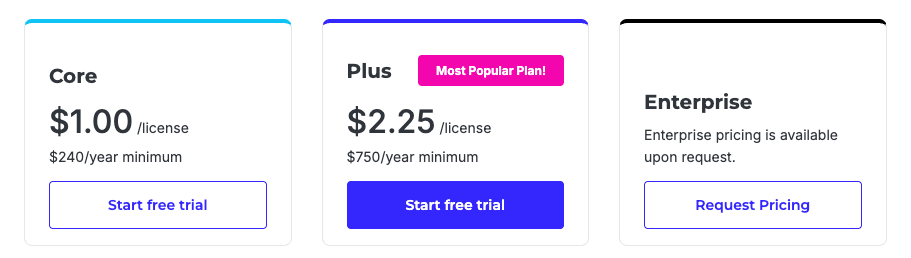
DNSFilter’s transparent pricing starts at $1.00/license/month for Core, with Plus at $2.25/license/month. Enterprise is quoted on request.
Source: DNSFilter
The minimum investment is $240/year for very small companies, with self-serve purchasing available through their website. Even with add-ons like Data Export ($0.25/license/month) or SecureTransit ($2.00/license/month), you’re looking at predictable investments in top-tier security.
For mid-market organizations, particularly those switching from bundled solutions, DNSFilter often offers incentives like "6 months free if you switch from Umbrella" to encourage evaluation. The focus isn't on being cheapest; it's on delivering superior threat detection for organizations that understand the value of catching threats 10 days sooner.
Support and ease of management for security teams
The quality of support and ease of ongoing management often determine real-world security effectiveness.
Cloudflare's support varies dramatically by tier.
Free users get community forums only, Pro users get email/ticket support, Business customers add live chat, and only Enterprise customers get phone support and dedicated account management. Given the platform's complexity, this tiered support can frustrate smaller organizations, with many users reporting challenges getting help on lower-tier plans.
Fortinet's support situation is mixed.
FortiCare provides different support levels, but even premium support receives mixed reviews. Users frequently cite firmware bugs and first-line support quality as concerns. The platform's complexity means you often need advanced expertise to even articulate issues effectively, with many recommending formal training before attempting FortiGate management.
DNSFilter's support structure reflects its MSP heritage and understanding that downtime isn't acceptable.
Every plan includes both email and chat support, and Plus customers can add Premium Support for prioritized case handling, an enhanced SLA, and monthly consultation calls. The company's commitment to the channel shows in their responsive support approach, understanding that MSPs need immediate assistance when client issues arise.
Management level matters.
Cloudflare's dashboard is generally user-friendly for basic features but becomes complex as services multiply. Fortinet's FortiGate interface requires significant training, with community members regularly advising formal certification. DNSFilter's dashboard receives consistent praise for making advanced security manageable; policy configuration that takes hours in Cisco Umbrella takes minutes in DNSFilter.
Cloudflare vs Fortinet vs DNSFilter: Which should you choose?
The choice depends on your primary security needs, technical resources, and whether you prioritize top-tier solutions or bundled platforms.
Choose Cloudflare if:
- Your primary need is protecting and accelerating web applications
- You want integrated CDN, DDoS protection, and WAF capabilities
- You're building modern applications using edge computing
- You have technical resources to implement and manage the platform
- You need a global network for content delivery
Choose Fortinet if:
- You need comprehensive network security with hardware acceleration
- You require intense packet inspection and advanced threat prevention
- You have complex network infrastructure requiring integrated security
- You have dedicated security staff to manage the platform
- You're willing to invest in both hardware and expertise
Choose DNSFilter if:
- You need top-tier DNS security that catches threats 10 days sooner
- You're a mid-market organization (1,000-5,000 employees) without enterprise agreements
- You're switching from Cisco Umbrella and want superior ease of management
- You're an MSP looking for a platform that enables client expansion
- You prioritize threat detection speed over bundled features
See how DNSFilter compares to Fortinet and Cloudflare. Start your free trial today.
The reality is these platforms serve different purposes and often work together. Many organizations benefit from Cloudflare for web protection AND DNSFilter for superior DNS security. Or Fortinet for network perimeter AND DNSFilter for faster threat detection. They're complementary technologies addressing different security layers.
But if you're among the 80-90% of organizations already using DNS filtering and wondering if you're catching threats fast enough, DNSFilter delivers what matters most: finding dangerous sites an average of 10 days before competitors. In cybersecurity, speed isn't just a feature. It's the difference between prevention and incident response.
In a world where security vendors keep adding more complexity, DNSFilter's focused approach on being the best at DNS security is what advanced buyers choose. Your DNS security shouldn't require choosing between effectiveness and manageability.

 SecureTransit for MSPs: Digital Privacy Without Another Tool to Manage
MSPs need to boost client security without sacrificing efficiency or margin. Every extra tool, console, or license just adds overhead and slows down service delivery.
Privacy is a classic example. Clients want their remote and hybrid users protected from the networks they connect through and the trackers profiling them, but most solutions add another siloed tool and more operational work.